Introduction
The global culinary landscape has been transformed by one undeniable force: Fast Food. In today’s fast-paced world, the convenience of a quick, flavorful meal has moved from being a luxury to a daily staple for millions. At Reelwala, we believe that understanding what we eat is just as important as enjoying it. This comprehensive guide dives deep into the world of quick-service restaurants, exploring how they shaped our culture and where they are headed next.
What is Fast Food?
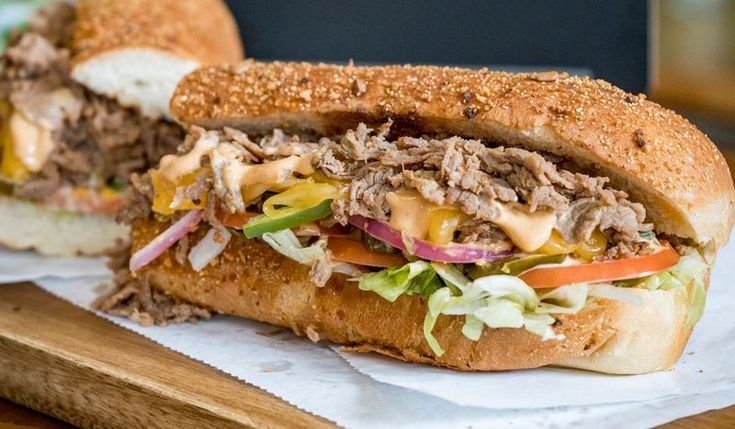
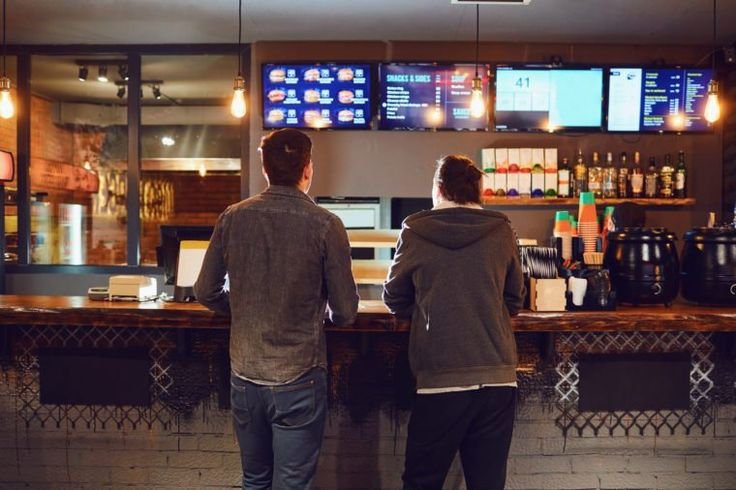
Fast food is defined as food that is prepared and served quickly, typically in a restaurant or store with pre-heated or precooked ingredients. The hallmark of fast food is its standardization—whether you buy a burger in New York or New Delhi, the taste and experience remain remarkably consistent. It is designed for mass production, high speed, and affordability, often packaged for “on-the-go” consumption.
History of Fast Food
While the concept of ready-to-eat food dates back to Ancient Rome’s thermopolia, the modern fast food industry began in the early 20th century.
- 1921: White Castle opens, introducing the first standardized burger chain.
- 1948: The McDonald brothers revolutionize the kitchen with the “Speedee Service System.”
- 1950s-60s: The rise of the automobile culture leads to the explosion of drive-ins and franchises like KFC and Burger King.
This era turned eating out into a social phenomenon that was accessible to the middle class, forever changing domestic dining habits.
Most Popular Fast Food Items
Certain items have become global icons of the industry. These are the heavy hitters that dominate menus worldwide:
- Burgers: The undisputed king, led by giants like the Big Mac.
- French Fries: The perfect salty companion to almost any meal.
- Pizza: A versatile favorite that has seen massive growth through delivery services.
- Fried Chicken: From buckets to sandwiches, chicken is a global protein powerhouse.
- Tacos and Burritos: Bringing bold flavors to the quick-service format.
Benefits of Fast Food
Despite the criticism, fast food offers several undeniable advantages:
- Convenience: In a busy schedule, saving time on cooking and cleaning is a major plus.
- Affordability: It remains one of the most cost-effective ways to get a hot meal.
- Consistency: You know exactly what you are getting every single time.
- Economic Impact: The industry employs millions of people globally and supports local supply chains.
Disadvantages of Fast Food
It is crucial to acknowledge the health and environmental concerns:
- Nutritional Profile: Often high in sodium, saturated fats, and processed sugars.
- Caloric Density: Large portion sizes can lead to excessive calorie intake.
- Environmental Impact: Packaging waste and the carbon footprint of industrial meat production are significant issues.
For more on maintaining a balanced lifestyle, check our About Us page where we discuss our commitment to food education.
Fast Food Around the World
Fast food isn’t just American. Every culture has its own version:
- Japan: Bento boxes and conveyor belt sushi offer high-speed nutrition.
- Middle East: Shawarma and Falafel are the original street-side fast foods.
- India: Vada Pav and Chaat dominate the vibrant local quick-service scene.
Global chains often adapt their menus to local tastes, such as offering spicy paneer burgers in India or teriyaki burgers in Japan.
Why People Love Fast Food
The love for fast food is both psychological and biological. The combination of salt, sugar, and fat triggers the brain’s reward system, making it highly palatable. Additionally, the nostalgia of childhood meals and the “comfort food” factor play a huge role in its enduring popularity.
Healthy Fast Food Options
The industry is evolving. Today, you can find:
- Salad Bowls: Fresh greens with lean proteins.
- Grilled Options: Choosing grilled chicken over fried.
- Plant-Based Burgers: The rise of “Beyond” and “Impossible” meats.
Many chains now provide full nutritional transparency, allowing customers to make informed choices.
Future of the Fast Food Industry
The future is tech-driven. Expect to see more:
- AI and Automation: Robots in the kitchen and AI-driven drive-thrus.
- Ghost Kitchens: Facilities dedicated solely to delivery apps.
- Sustainability: A shift toward biodegradable packaging and carbon-neutral sourcing.
Conclusion
Fast food is more than just a quick meal; it’s a reflection of our modern lifestyle. While it has its drawbacks, the industry’s ability to innovate and adapt ensures it will remain a central part of the global food culture. At Reelwala, we encourage you to enjoy your favorites mindfully while exploring the diverse world of flavors available at your fingertips. For any queries, feel free to Contact Us.